Surgery is often only one part of the healing process. Whether someone is preparing for a joint replacement, ligament repair, spinal procedure, or orthopedic operation, recovery outcomes depend heavily on what happens before and after the procedure itself. This is where pre and post-surgical rehabilitation becomes essential.
Many patients focus entirely on the surgery date while overlooking the importance of physical preparation and structured recovery afterward. However, research and clinical experience consistently show that rehabilitation programs can improve mobility, reduce complications, shorten recovery timelines, and help patients return to normal activities with greater confidence.
A personalized rehabilitation plan gives patients the tools they need to support healing, restore strength, and regain movement safely. By working with experienced physical therapy professionals, patients can approach surgery with better preparation and experience a smoother transition back to daily life.
Understanding Pre and Post Surgical Rehabilitation
Pre and post-surgical rehabilitation refers to structured physical therapy programs designed to help patients both before and after surgery.
Pre-surgical rehabilitation, often called “prehab,” focuses on preparing the body for the physical demands of surgery and recovery. Post-surgical rehabilitation focuses on restoring movement, rebuilding strength, reducing pain, and helping patients regain functional independence after the procedure.
Together, these rehabilitation phases create a comprehensive recovery strategy that supports both short-term healing and long-term physical health.
Common surgeries that benefit from rehabilitation include:
- Knee replacement surgery
- Hip replacement procedures
- ACL reconstruction
- Rotator cuff repair
- Spinal surgeries
- Shoulder stabilization procedures
- Foot and ankle surgeries
- Sports injury surgeries
Every surgical recovery journey is different, which is why individualized treatment plans are so important.
The Benefits of Pre-Surgical Rehabilitation
Preparing the body before surgery can significantly impact recovery afterward. Patients who participate in pre-surgical rehabilitation often enter surgery with better strength, mobility, and physical conditioning.
Improved Strength and Mobility
One of the main goals of pre-surgical therapy is strengthening the muscles that support the affected area. Stronger muscles can help stabilize joints, improve balance, and reduce strain during recovery.
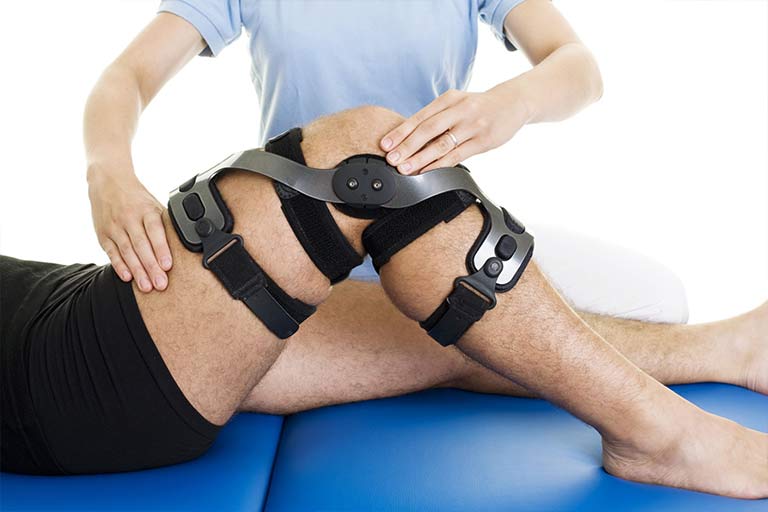
For example, patients preparing for knee surgery may work on strengthening the quadriceps, hamstrings, and hip muscles to support postoperative mobility.
Better Recovery Outcomes
Patients who participate in prehab often experience:
- Faster recovery timelines
- Improved range of motion
- Reduced postoperative pain
- Better walking mechanics
- Increased confidence during rehabilitation
Preparing physically before surgery can also help patients understand what to expect after the procedure, reducing uncertainty and anxiety.
Reduced Risk of Complications
Limited mobility after surgery can increase the risk of stiffness, weakness, and circulation issues. Pre-surgical rehabilitation helps patients develop movement strategies and exercises that encourage safer recovery afterward.
Learning how to properly use assistive devices, perform transfers, and complete therapeutic exercises before surgery can make the transition home much easier.
Why Post-Surgical Rehabilitation Is Essential
Surgery may address structural issues, but rehabilitation helps restore function. Without proper physical therapy after surgery, patients may struggle with stiffness, weakness, reduced mobility, and delayed recovery.
Post-surgical rehabilitation is designed to help the body heal safely while progressively rebuilding strength and movement.
Pain Management and Swelling Reduction
After surgery, inflammation and discomfort are common. Physical therapists use targeted techniques to help reduce pain and swelling while promoting circulation and healing.
Treatment approaches may include:
- Guided therapeutic exercises
- Manual therapy
- Stretching programs
- Mobility training
- Ice and compression strategies
- Balance and coordination exercises
These techniques support tissue healing while helping patients move safely during recovery.
Restoring Range of Motion
Restricted movement is one of the biggest challenges after surgery. Scar tissue formation, swelling, and muscle guarding can all limit mobility if left untreated.
A structured rehabilitation program gradually improves flexibility and joint mobility while protecting healing tissues. Restoring range of motion early often contributes to better long-term outcomes.
Rebuilding Functional Strength
Daily activities such as walking, climbing stairs, lifting objects, or returning to sports require strength and coordination. Rehabilitation focuses on rebuilding these abilities step by step.
Physical therapists carefully progress exercises based on the patient’s healing stage and functional goals.
The Role of Personalized Treatment Plans
No two patients recover the same way. Age, medical history, physical condition, lifestyle, and surgical procedures all influence rehabilitation needs.
Personalized therapy plans help ensure that treatment is safe, effective, and aligned with the patient’s goals.
An individualized rehabilitation program may include:
- Mobility assessments
- Strength evaluations
- Pain management strategies
- Functional movement training
- Sport-specific rehabilitation
- Balance and stability exercises
- Home exercise programs
Customized care also allows therapists to monitor progress closely and adjust treatment as recovery evolves.
How Physical Therapy Supports Long-Term Recovery
Recovery does not end when pain decreases. Long-term physical health depends on restoring proper movement patterns and preventing future injuries.
Patients who stop rehabilitation too early may continue compensating with poor posture, weakness, or limited mobility, which can create additional strain on other parts of the body.
Physical therapy helps patients develop:
- Better joint stability
- Improved flexibility
- Stronger muscular support
- Safer movement mechanics
- Greater body awareness
These improvements can contribute to long-term mobility and reduced risk of reinjury.
Common Challenges During Surgical Recovery
Surgical recovery often includes both physical and emotional challenges. Patients may experience frustration when progress feels slower than expected.
Some common obstacles include:
Fear of Movement
Many patients worry about damaging the surgical area during recovery. Guided therapy helps patients rebuild confidence while learning safe movement techniques.
Muscle Weakness
After surgery, inactivity can quickly lead to muscle loss. Structured rehabilitation helps rebuild strength gradually while minimizing stress on healing tissues.
Limited Mobility
Joint stiffness and scar tissue can affect movement quality. Regular stretching and therapeutic exercises help improve flexibility and function over time.
Returning to Sports or Physical Activity
Athletes and active individuals often require specialized rehabilitation programs to safely return to performance activities. Sport-specific exercises can help rebuild agility, coordination, and endurance.
What to Expect During Rehabilitation Sessions
Understanding the rehabilitation process can help patients feel more prepared and motivated during recovery.
A typical rehabilitation session may include:
- Warm-up exercises
- Stretching and mobility work
- Strengthening exercises
- Functional movement training
- Balance and coordination drills
- Education on posture and movement mechanics
Therapists also monitor pain levels, healing progress, and overall functional improvement throughout the recovery process.
Consistency is one of the most important factors in successful rehabilitation outcomes.
The Importance of Patient Education
Education plays a critical role in effective rehabilitation. Patients who understand their condition and recovery process are often more engaged and consistent with treatment plans.
Physical therapists help patients learn:
- Proper body mechanics
- Safe movement patterns
- Home exercise routines
- Injury prevention strategies
- Recovery expectations
This knowledge allows patients to take a more active role in their healing journey.
Choosing the Right Rehabilitation Provider
Selecting an experienced physical therapy provider can make a meaningful difference in surgical recovery outcomes.
Patients should look for rehabilitation professionals who provide:
- Individualized treatment plans
- Evidence-based therapy techniques
- Clear communication
- Functional recovery goals
- Ongoing progress assessments
A supportive therapy environment can also improve motivation and confidence during recovery.
Working with a trusted rehabilitation team helps patients stay focused on long-term health, mobility, and independence.
How Early Rehabilitation Can Improve Quality of Life
The goal of rehabilitation is not simply to recover from surgery; it is to help patients return to meaningful activities and improve overall quality of life.
Successful rehabilitation may help patients:
- Walk more comfortably
- Return to work safely
- Resume recreational activities
- Improve physical independence
- Reduce chronic pain
- Build confidence in movement
Whether recovering from orthopedic surgery or sports-related procedures, physical therapy provides valuable support throughout the healing process.
Final Thoughts
Recovering from surgery involves far more than the procedure itself. A carefully structured pre and post-surgical rehabilitation program can help patients prepare physically before surgery while supporting safer, more effective recovery afterward.
Through personalized therapy plans, guided exercises, mobility training, and patient education, rehabilitation helps individuals regain strength, restore movement, and return to daily activities with greater confidence.
At Control Physical Therapy, patients receive individualized rehabilitation support designed to promote safe recovery, improved mobility, and long-term physical wellness. With a patient-focused approach and evidence-based therapy techniques, the team helps individuals move through every stage of recovery with greater confidence and clarity.
Professional physical therapy support gives patients the opportunity to approach recovery with a proactive mindset and a clear plan for long-term success. For individuals preparing for surgery or navigating postoperative healing, investing in rehabilitation can play an important role in achieving stronger and more sustainable recovery outcomes.