Dog training for reactive dogs helps owners manage intense responses to everyday triggers, including unfamiliar dogs, strangers, loud noises, and unexpected movement. Barking, lunging, or pulling on the leash can make walks stressful, but these behaviors do not automatically mean a dog is aggressive. Reactivity can stem from fear, frustration, excitement, or difficulty coping with certain situations.
Understanding what triggers a dog’s response is the first step toward improvement. With structured training, appropriate distance, and consistent reinforcement, owners can help their dogs develop calmer responses and navigate everyday environments more comfortably.
Understanding Reactivity in Dogs
Dog reactivity describes an exaggerated response to a particular stimulus. A reactive dog might bark when another dog approaches, lunge toward passing bicycles, or become distressed when unfamiliar people enter its space.
These responses may communicate that the dog is overwhelmed, uncomfortable, frustrated, or overly excited. Identifying the underlying cause helps owners choose an appropriate training strategy.
Common signs of reactivity include:
- Barking or growling at specific triggers.
- Lunging or pulling strongly on the leash.
- Stiff body posture or intense staring.
- Difficulty responding to familiar commands around distractions.
- Attempting to escape or increase distance from a trigger.
Recognizing these signals early allows owners to respond before the dog becomes more distressed.
Why Dog Training for Reactive Dogs Requires a Different Approach
Traditional obedience teaches dogs to respond to cues such as sit, stay, and come. Reactive dogs may understand these commands but struggle to follow them when a trigger causes intense emotional arousal.
For example, a dog may sit calmly at home but begin barking when another dog appears during a walk. The challenge involves more than obedience; the dog may need help managing excitement and feeling safer.
Effective dog training for reactive dogs combines foundational obedience with behavior modification and careful exposure to triggers. The goal is to improve the dog’s ability to cope with challenging situations rather than simply suppress visible reactions.
Identify the Triggers
Observe when the reaction occurs, noting the trigger, environment, distance, and body language.
Consider these questions:
- Does the dog react to all dogs or only certain types?
- Are unfamiliar people more challenging when they approach directly?
- Does the reaction occur mainly on leash?
- Can the dog still accept treats or respond to familiar cues?
Keeping a behavior log can reveal patterns and help owners make informed training decisions. If reactivity appears suddenly or changes significantly, consult a veterinarian to rule out pain or other medical concerns.
How to Manage Reactive Behavior During Walks
Walks can become difficult when triggers appear unexpectedly. Effective management reduces stress while giving the dog opportunities to practice calmer behavior.
Create More Distance
Distance is one of the most useful tools for managing reactivity. When a dog notices a trigger from far away, it may still be able to observe without barking or lunging.
Choose quieter walking routes, cross the street when necessary, or turn away before the dog becomes overwhelmed. Increasing distance helps keep the dog in a state where learning is more likely.
Reward Calm Observation
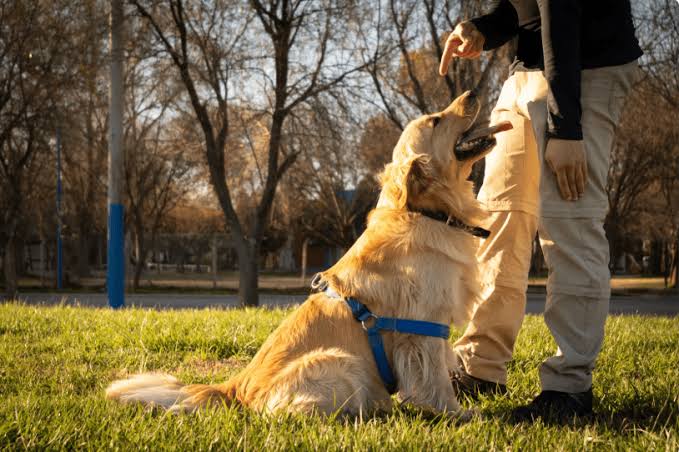
When the dog notices a trigger and remains relatively calm, reward the behavior with a suitable treat. Over time, the dog can learn that seeing a trigger predicts something positive.
Start far enough away that the dog can still eat, respond to its name, and disengage from the trigger. If it begins barking, lunging, or refusing rewards, create more distance instead of forcing the exercise.
Avoid Forced Greetings
Reactive dogs should not be required to greet unfamiliar dogs or people. Direct approaches can increase discomfort, particularly when a dog is already showing signs of stress.
Give the dog room to move away and use a secure, well-fitted harness or collar with a sturdy leash appropriate for its size.
Positive Reinforcement and Behavior Modification
Positive reinforcement rewards desirable behaviors and increases the likelihood that they will happen again. For reactive dogs, it can help build new associations with triggers while encouraging alternative responses.
A gradual training session may follow these steps:
- Begin in a quiet location with sufficient distance from the trigger.
- Allow the dog to notice the trigger without forcing an interaction.
- Reward calm observation or voluntary attention toward the handler.
- Increase distance if signs of distress appear.
- Repeat at manageable difficulty before introducing harder situations.
Consistency matters more than speed. Progress may involve shorter reactions, faster recovery, or an increased ability to disengage.
Avoid punishment-based methods involving intimidation or painful corrections. These approaches can increase distress without addressing the underlying emotional response.
Building Essential Obedience Skills at Home
Practicing foundational skills at home helps dogs learn in a lower-pressure environment before facing outdoor distractions.
Useful exercises include:
- Name recognition: Reward the dog for turning toward you when its name is called.
- Hand targeting: Teach the dog to touch your hand with its nose.
- Relaxation training: Reward calm behavior on a mat or designated resting area.
- Emergency turns: Practice changing direction before using the skill around triggers.
- Check-ins: Reward the dog for voluntarily looking toward you.
Keep sessions brief and end with an exercise the dog can perform successfully. If the dog struggles repeatedly, simplify the task instead of increasing pressure.
Common Mistakes to Avoid With Reactive Dogs
Well-intentioned owners sometimes unintentionally increase stress or slow progress.
Exposing the dog to too much too soon
Repeatedly placing a dog close to its triggers can overwhelm it. Gradual exposure should remain below the level that causes an intense reaction.
Expecting immediate results
Behavior change takes time and depends on the dog’s history, temperament, and environment. Measure progress through calmer observation and faster recovery.
Ignoring early warning signs
Stiffening, intense staring, turning away, or attempting to retreat can indicate discomfort. Responding early helps prevent reactions from escalating.
Using inconsistent responses
Agree on management strategies and training cues so everyone in the household follows a consistent plan.
When Professional Dog Training Can Help
Some reactive behaviors are difficult to manage without expert guidance, especially when a dog has a history of biting, intense fear, or severe lunging. A qualified professional can assess the dog’s behavior, identify triggers, and develop a structured plan suited to its needs.
Professional support can help owners improve leash handling, recognize body-language signals, and determine when to adjust training difficulty. Dogs with serious aggression or significant anxiety may benefit from a coordinated approach involving a veterinarian and a qualified behavior professional.
Rob’s Dog Training offers dog training services for owners who want to improve communication and address behavioral challenges. Owners seeking help with reactivity and obedience can explore available services to identify an approach suited to their dogs.
Helping Reactive Dogs Make Lasting Progress
Dog training for reactive dogs is most effective when it combines safety, patience, positive reinforcement, and realistic expectations. Rather than forcing dogs to tolerate every trigger, owners can help them learn alternative responses while respecting their comfort levels.
By recognizing warning signs, managing distance, practicing foundational obedience, and seeking professional guidance when needed, owners can make daily routines more manageable and build clearer communication with their dogs.
Learn more about training services and support by visiting robsdogs.