Pets are an important part of the family, and keeping them healthy is a major responsibility for every owner. Like humans, pets need regular medical care, proper nutrition, exercise, and attention to stay healthy and active. Understanding different healthcare solutions can help pet owners prevent illnesses, manage injuries, and improve their pets’ quality of life. From routine checkups to emergency treatment, knowing which services are available makes it easier to provide the right care at the right time.
Pet Orthopedic Surgery: Improving Mobility and Comfort
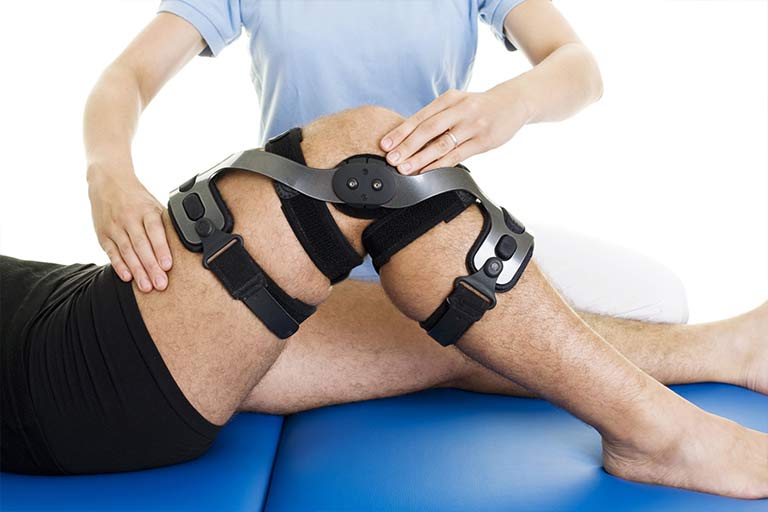
When pets suffer from bone fractures, joint problems, or other movement-related injuries, pet orthopedic surgery can help restore their mobility and reduce pain. These procedures are often needed after accidents or when pets develop conditions affecting their bones and joints. Veterinary specialists examine the animal and recommend suitable treatment based on its condition, age, and overall health. Early diagnosis and proper recovery care can help pets return to their normal activities and enjoy a more comfortable life.
Veterinary Emergency Clinic: Getting Immediate Medical Care
A veterinary emergency clinic provides urgent medical attention when a pet experiences a serious injury or sudden illness. Breathing difficulties, heavy bleeding, poisoning, severe pain, and repeated seizures are examples of situations that may require immediate veterinary care. Knowing the location and contact details of a nearby emergency clinic can save valuable time during a crisis. Pet owners should also keep important medical records available and follow the veterinarian’s instructions when transporting an injured or seriously ill animal.
Regular Veterinary Checkups: Preventing Health Problems
Routine veterinary checkups are essential for maintaining a pet’s health. During these visits, veterinarians examine the animal, check its weight, assess its teeth, and look for signs of illness. Regular examinations can help identify health problems before they become serious. Veterinarians may also recommend blood tests or other screenings depending on the pet’s age and medical history. Scheduling checkups as advised helps owners understand their pets’ changing healthcare needs.
Vaccination Services: Protecting Pets from Diseases
Vaccinations protect pets against several serious and potentially life-threatening diseases. Puppies and kittens usually need an initial series of vaccines, followed by booster doses according to veterinary advice. Adult pets may also require regular vaccinations based on their health, lifestyle, and local disease risks. Keeping vaccination records updated helps owners follow the recommended schedule. Vaccination is a simple but important step toward protecting individual animals and reducing the spread of certain infections.
Dental Care: Supporting Healthy Teeth and Gums
Dental health is often overlooked, but it plays an important role in a pet’s overall well-being. Plaque buildup, gum disease, and damaged teeth can cause pain and make eating difficult. Regular tooth brushing with pet-safe toothpaste can help reduce these problems. Professional dental examinations and cleaning may also be necessary. Pet owners should watch for bad breath, swollen gums, or difficulty chewing and consult a veterinarian if these signs appear.
Diagnostic Testing: Finding the Cause of Illness
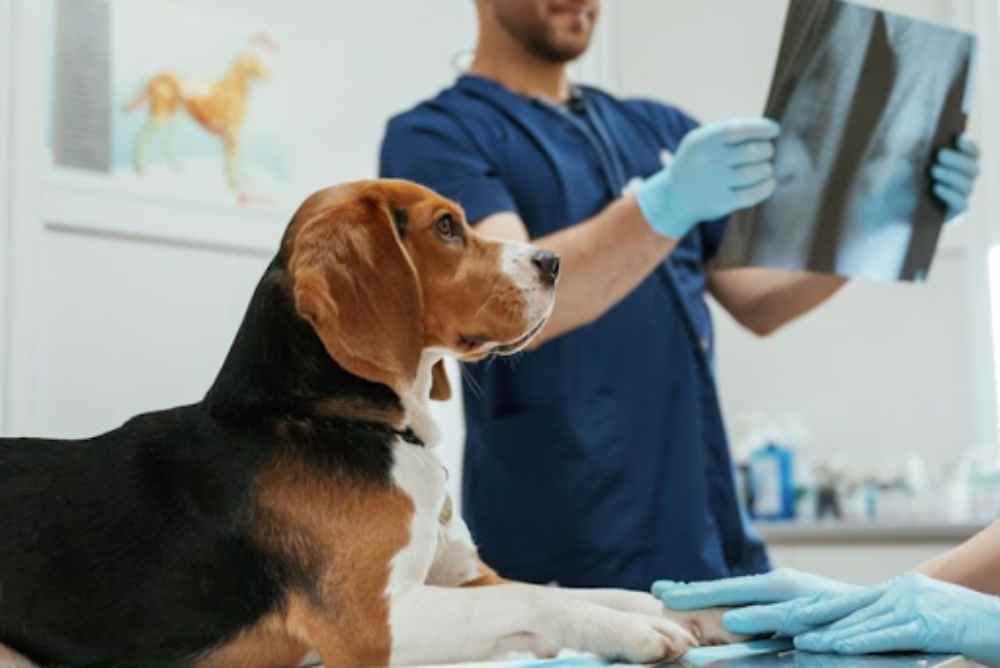
Diagnostic services help veterinarians understand why a pet is feeling unwell. Blood tests, urine tests, X-rays, and ultrasound examinations can reveal problems that may not be visible during a physical examination. These tests can help identify infections, internal injuries, organ problems, and other medical conditions. Accurate diagnosis allows veterinarians to develop suitable treatment plans and monitor how well a pet responds to care.
Nutritional Guidance: Maintaining a Healthy Lifestyle
Proper nutrition supports healthy growth, strong bones, good digestion, and a balanced weight. Every pet has different dietary needs depending on its species, age, activity level, and medical condition. Veterinarians can recommend suitable food portions and special diets when needed. Fresh water, regular exercise, and avoiding unsafe foods also help pets remain healthy.
Conclusion
Understanding important healthcare solutions helps pet owners make better decisions about their animals’ well-being. Services such as orthopedic surgery, emergency treatment, routine checkups, vaccinations, dental care, and diagnostic testing address different health needs. By combining professional veterinary care with proper nutrition and daily attention, owners can help their pets live healthier, happier, and more comfortable lives.