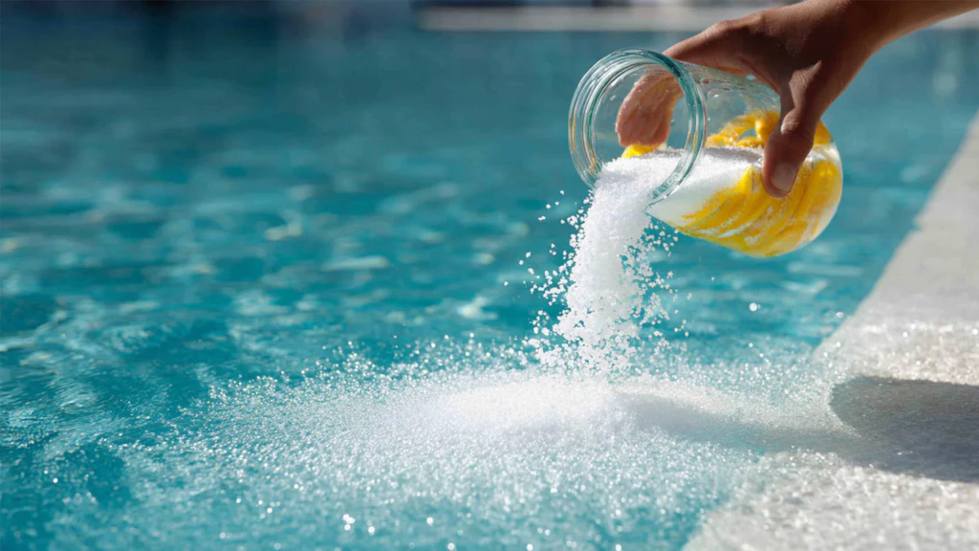
Crystal-clear pool water doesn’t happen by chance. Behind every inviting swimming pool is a carefully maintained balance of water chemistry that keeps the water clean, safe, and comfortable for swimmers. Chlorine and chemical balancing is one of the most important aspects of pool maintenance because it directly affects water quality, sanitation, equipment performance, and the overall lifespan of the pool.
Many pool owners focus on visible cleanliness, such as removing leaves or vacuuming debris. While these tasks are important, they are only one part of proper pool care. Water that appears clean can still contain bacteria, algae spores, or chemical imbalances that create problems over time. Regular testing and proper chemical adjustments help prevent these issues before they become expensive repairs or health concerns.
Understanding the basics of pool chemistry allows homeowners to maintain healthier water throughout the swimming season while protecting their investment. Valley Pools recognizes that consistent water chemistry management is essential for keeping pools clean, safe, and operating efficiently.
Understanding the Basics of Chlorine and Chemical Balancing
Chlorine and chemical balancing involves maintaining the proper relationship between several water chemistry components. Chlorine acts as the primary sanitizer, eliminating bacteria, viruses, and organic contaminants introduced through swimmers, weather, and environmental debris.
However, chlorine cannot perform efficiently unless the surrounding water chemistry is properly balanced. Several factors work together to create stable water conditions, including:
- Free chlorine
- pH level
- Total alkalinity
- Calcium hardness
- Cyanuric acid (stabilizer)
- Total dissolved solids
Each of these measurements influences how effectively chlorine sanitizes the water. When one level falls outside its recommended range, the entire system becomes less efficient.
Why Chlorine Matters
Chlorine is responsible for destroying microorganisms that can make pool water unsafe. It also oxidizes contaminants such as sweat, sunscreen, body oils, and organic debris that enter the water during normal use.
Without adequate chlorine, algae can develop quickly, turning water green and slippery. Harmful bacteria may also multiply, increasing potential health risks for swimmers.
Too much chlorine, however, can also create problems. Excessive chlorine levels may cause eye irritation, skin discomfort, and an unpleasant chemical odor. The goal is maintaining consistent sanitizer levels rather than simply adding more chemicals.
The Role of pH in Pool Water
One of the most important elements of chlorine and chemical balancing is maintaining proper pH.
The ideal pool pH generally falls between 7.2 and 7.8.
When pH becomes too low:
- Water becomes acidic.
- Pool surfaces may corrode.
- Metal components may rust.
- Swimmers may experience skin irritation.
When pH becomes too high:
- Chlorine loses effectiveness.
- Water becomes cloudy.
- Scale deposits may form.
- Equipment efficiency decreases.
Proper pH helps chlorine work efficiently while creating a more comfortable swimming environment.
Why Total Alkalinity Is Important
Total alkalinity acts as a buffer that stabilizes pH. Without adequate alkalinity, pH levels may fluctuate rapidly after rain, heavy swimming activity, or chemical additions.
Stable alkalinity helps reduce frequent chemical adjustments and contributes to more predictable water chemistry.
Maintaining recommended alkalinity levels supports overall balance while improving chlorine performance.
Calcium Hardness Protects Pool Surfaces
Calcium hardness measures dissolved calcium within pool water.
When calcium levels are too low, water becomes aggressive and may pull minerals from plaster, concrete, grout, or other pool finishes.
When calcium hardness becomes too high, scale can develop on pool walls, tile, heaters, and plumbing components.
Balanced calcium levels help preserve both the appearance and structural integrity of the pool.
Cyanuric Acid Supports Chlorine Performance
Outdoor pools are constantly exposed to sunlight, which rapidly breaks down chlorine through ultraviolet rays.
Cyanuric acid serves as a stabilizer that protects chlorine from UV degradation, allowing sanitizer levels to remain effective longer.
Too little stabilizer causes chlorine to disappear quickly, while excessive stabilizer can reduce chlorine’s sanitizing ability.
Finding the proper balance improves chemical efficiency while reducing unnecessary chlorine consumption.
Common Causes of Chemical Imbalances
Even well-maintained pools experience fluctuations in water chemistry. Several factors contribute to changing chemical levels, including:
- Heavy rainfall
- High temperatures
- Frequent swimming
- Falling leaves and debris
- Sunscreen and body oils
- Wind-blown contaminants
- Evaporation
- Infrequent testing
Recognizing these influences allows pool owners to respond before problems become severe.
Warning Signs That Water Chemistry Needs Attention
Water chemistry problems often reveal themselves through noticeable changes.
Common warning signs include:
- Cloudy water
- Green water
- Strong chlorine smell
- Burning eyes
- Skin irritation
- Algae growth
- Scale buildup
- Corroded fixtures
- Staining
- Poor water clarity
Prompt testing can identify the source of these problems before additional damage occurs.
Best Practices for Chlorine and Chemical Balancing
A consistent maintenance routine produces healthier water while minimizing unexpected issues.
Test Water Frequently
Testing should occur at least once or twice each week during the swimming season. More frequent testing may be necessary after storms, heavy pool use, or significant weather changes.
Add Chemicals Gradually
Large chemical adjustments can create sudden imbalances. Small corrections followed by retesting typically produce more stable results.
Clean the Pool Regularly
Removing leaves, dirt, insects, and debris reduces chlorine demand and improves filtration efficiency.
Maintain Filtration Equipment
A properly functioning filter removes contaminants that chemicals alone cannot eliminate.
Monitor Seasonal Changes
Warmer weather, increased sunlight, and higher swimmer activity often require more frequent chemical adjustments.
Benefits of Professional Pool Maintenance
Although many homeowners perform routine testing independently, professional maintenance provides additional confidence through comprehensive inspections and accurate chemical management.
Professional service can help:
- Identify hidden water chemistry problems
- Prevent algae outbreaks
- Improve sanitizer efficiency
- Protect pumps and filtration equipment
- Extend pool surface life
- Reduce costly repairs
- Save maintenance time
Routine service also provides consistency throughout the swimming season, especially for busy homeowners.
Long-Term Value of Proper Water Chemistry
Maintaining balanced pool water provides more than immediate visual appeal. Long-term benefits include fewer repairs, improved equipment reliability, lower chemical waste, healthier swimming conditions, and greater protection for the entire pool system.
Consistent attention to chlorine and chemical balancing also supports energy efficiency by helping filtration and circulation systems operate under optimal conditions. Small preventative adjustments today often prevent much larger maintenance expenses in the future.
Conclusion
Healthy pool water depends on more than appearance alone. Proper chlorine and chemical balancing creates a safe swimming environment, preserves expensive pool equipment, prevents algae growth, and helps maintain clear, comfortable water throughout the season. Routine testing, consistent maintenance, and timely chemical adjustments reduce long-term costs while improving the overall swimming experience.
For homeowners seeking dependable pool care, Valley Pools provides professional pool maintenance services designed to keep water chemistry properly balanced and pools operating at their best. A proactive approach to pool maintenance helps protect your investment while ensuring clean, sparkling water is always ready to enjoy.