Healthy landscapes depend on more than attractive plants and quality materials. Effective irrigation drainage solutions play a vital role in maintaining soil health, conserving water, and protecting outdoor spaces from costly damage. Whether the property is residential or commercial, balancing water delivery with proper drainage helps landscapes thrive throughout changing seasons. Too much water can be just as harmful as too little, making a well-designed system an essential part of any successful landscape plan.
Redwood Outdoor Designs recognizes that modern landscaping requires efficiency, sustainability, and long-term performance. Advanced irrigation systems paired with dependable drainage features reduce water waste, minimize erosion, and create healthier growing conditions for grass, trees, shrubs, and flower beds. Property owners who invest in proper planning often experience fewer maintenance issues, lower water bills, and stronger landscape performance over time.
Why Irrigation Drainage Solutions Are Essential
Every landscape has unique characteristics, including soil composition, slope, climate, and plant selection. These factors influence how water moves through the property and determine the type of irrigation and drainage system required. A design that works well in one location may not perform effectively in another.
Without proper drainage, excess water can create standing puddles, compact the soil, damage plant roots, and increase the risk of mold or mosquito breeding. Poor irrigation practices may also result in uneven watering, dry patches, or oversaturated areas that weaken vegetation.
An integrated approach helps maintain the right balance by supplying plants with adequate moisture while allowing excess water to move safely away from landscaped areas.
Benefits include:
- Improved water efficiency
- Healthier lawns and gardens
- Reduced soil erosion
- Better root development
- Lower maintenance costs
- Protection for hardscapes and foundations
- Increased landscape longevity
- Improved environmental sustainability
Understanding How Water Moves Across a Landscape
Successful water management begins with understanding how water naturally behaves. Rainfall, irrigation schedules, soil absorption rates, and elevation changes all influence drainage performance.
Clay soils tend to retain moisture longer, while sandy soils drain quickly and may require more frequent watering. Sloped landscapes encourage runoff, whereas flat properties often experience pooling if drainage is inadequate.
Professional landscape planning evaluates these conditions before recommending the most effective irrigation drainage solutions. This tailored approach prevents common problems while supporting healthier plant growth.
Choosing the Right Irrigation Drainage Solutions
No single system fits every landscape. Selecting the right combination depends on several important factors that influence long-term performance.
Key considerations include:
- Soil type
- Property grading
- Average rainfall
- Plant water requirements
- Existing drainage conditions
- Irrigation zones
- Local climate
- Water conservation goals
A comprehensive assessment allows each component to work together rather than independently, improving efficiency across the entire landscape.
Efficient Irrigation Supports Healthier Plants
Watering schedules significantly affect plant health. Overwatering often causes shallow root systems, fungal diseases, and nutrient loss. Underwatering weakens vegetation and limits healthy growth.
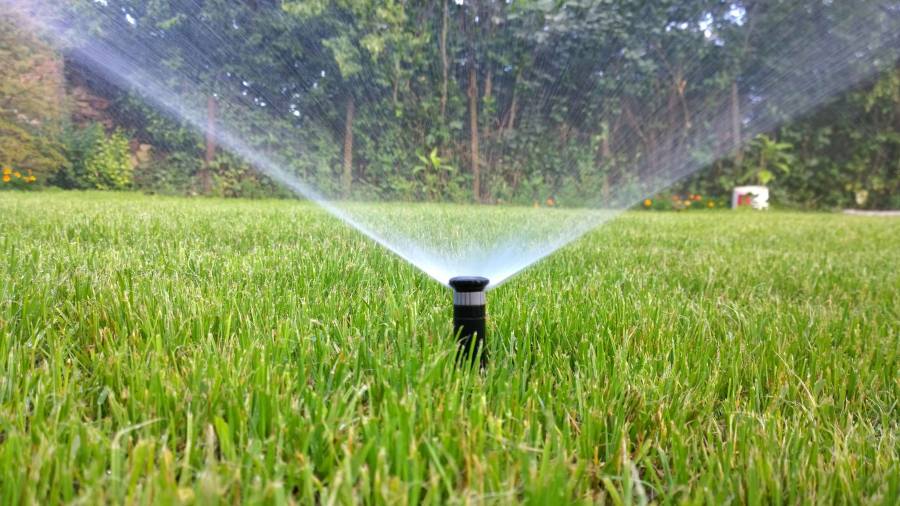
Modern irrigation systems improve precision by delivering water only where it is needed. Technologies such as drip irrigation, smart controllers, moisture sensors, and programmable timers help reduce unnecessary water use while maintaining consistent soil moisture.
This level of control supports stronger root development and healthier landscapes throughout the year.
The Role of Proper Drainage
Drainage systems protect landscapes from excessive moisture after heavy rainfall or irrigation. Without an effective outlet for excess water, landscapes become vulnerable to erosion, foundation damage, root rot, and declining plant health.
Several drainage methods may be incorporated depending on site conditions, including:
- French drains
- Catch basins
- Channel drains
- Dry creek beds
- Surface drains
- Underground drainage pipes
- Swales for directing runoff
Each option addresses different drainage challenges while contributing to a healthier outdoor environment.
Water Conservation Through Smarter Landscape Design
Water conservation continues to be a priority for homeowners, businesses, and municipalities. Efficient irrigation drainage solutions reduce unnecessary water consumption without sacrificing landscape quality.
Simple improvements can make a significant difference, including:
- Watering during cooler parts of the day
- Installing rain sensors
- Grouping plants with similar watering needs
- Using mulch to retain soil moisture
- Regularly inspecting irrigation components
- Repairing leaks promptly
These practices reduce waste while supporting sustainable landscaping goals.
Preventing Common Landscape Problems
Many landscape issues stem from poor water management rather than poor plant selection.
Common problems include:
- Standing water after storms
- Yellow or thinning grass
- Soil erosion
- Root rot
- Cracked walkways
- Damaged retaining walls
- Foundation moisture issues
- Increased weed growth
Addressing these concerns with properly designed irrigation drainage solutions helps protect both landscaping investments and surrounding structures.
Long-Term Value for Residential and Commercial Properties
Landscape improvements should continue delivering value long after installation. Efficient irrigation and drainage systems reduce repair costs, improve curb appeal, and support healthier outdoor spaces throughout the seasons.
Property owners also benefit from:
- Lower utility expenses
- Reduced maintenance requirements
- Improved property appearance
- Better environmental performance
- Increased landscape durability
These long-term advantages make water management one of the smartest investments in landscape design.
Partnering with Experienced Landscape Professionals
Installing irrigation drainage solutions requires careful planning, technical knowledge, and attention to site-specific conditions. Every property presents unique challenges that influence design decisions and system performance.
Redwood Outdoor Designs develops customized outdoor environments that combine functional irrigation systems with dependable drainage strategies. Careful planning, quality materials, and thoughtful installation help create landscapes designed to perform efficiently while maintaining lasting beauty.
Conclusion
Successful landscapes rely on more than attractive plants and regular watering. Effective irrigation drainage solutions provide the foundation for healthier soil, stronger plant growth, and responsible water management. By combining efficient irrigation with reliable drainage, property owners can reduce maintenance, protect valuable landscaping, and improve long-term performance. Redwood Outdoor Designs provides customized outdoor solutions that help create functional, sustainable, and visually appealing landscapes designed to perform beautifully for years to come.